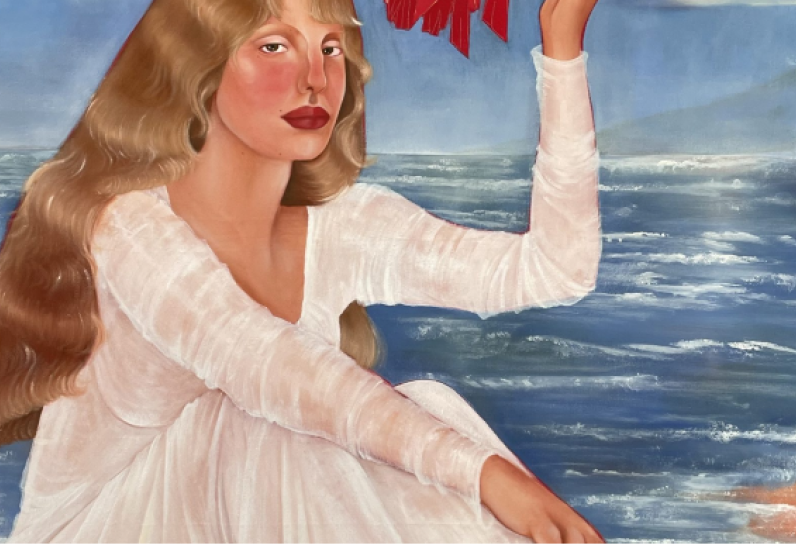
The FBQ Museum
 The FBQ Museum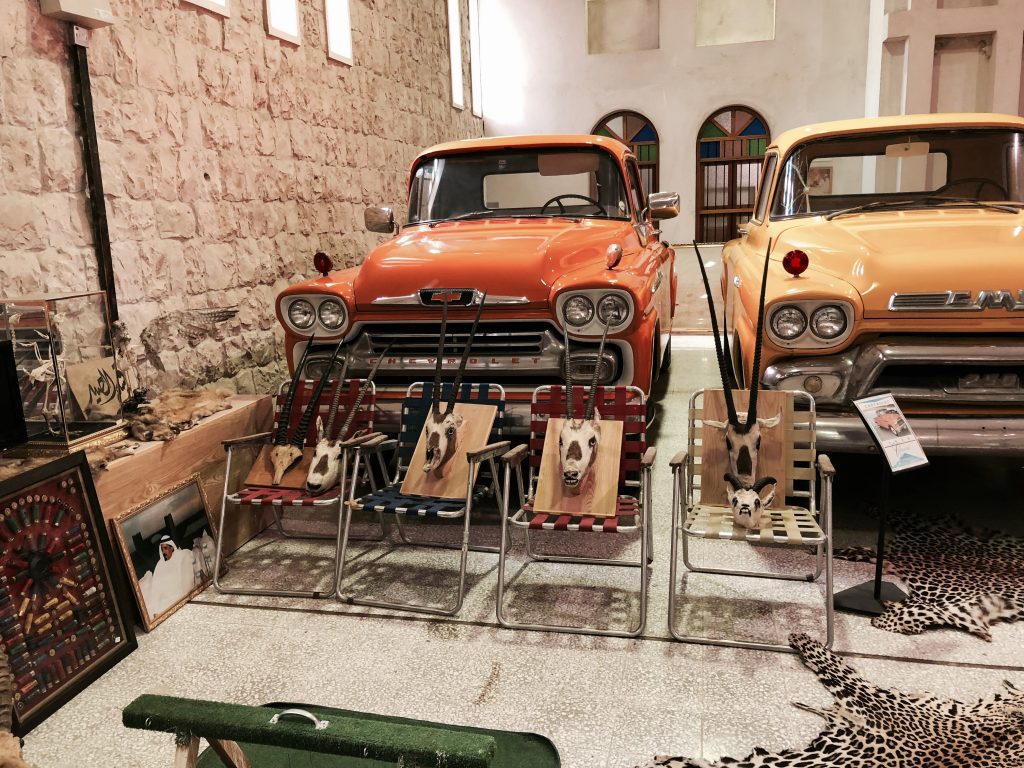
The Sheikh Faisal Bin Qassim Al Thani Museum (hereafter FBQ Museum as the museum calls itself after undergoing an extensive rebranding) is one of the very few Qatari cultural spaces independent of the state-controlled heritage umbrella organisation, Qatar Museums (previously known as the Qatar Museums Authority). As a private museum and despite of a close relationship to the ruling family, the FBQ Museum occupies a unique position in the Qatari museum landscape, presenting an ‘eclectic’ collection of artefacts spanning from the Jurassic age through the early Islamic period and to the present day across four themes as determined by the institution: Islamic Art, Qatari Heritage, Vehicles and Coins and Currency.
History of the Museum: From Majlis to Museum
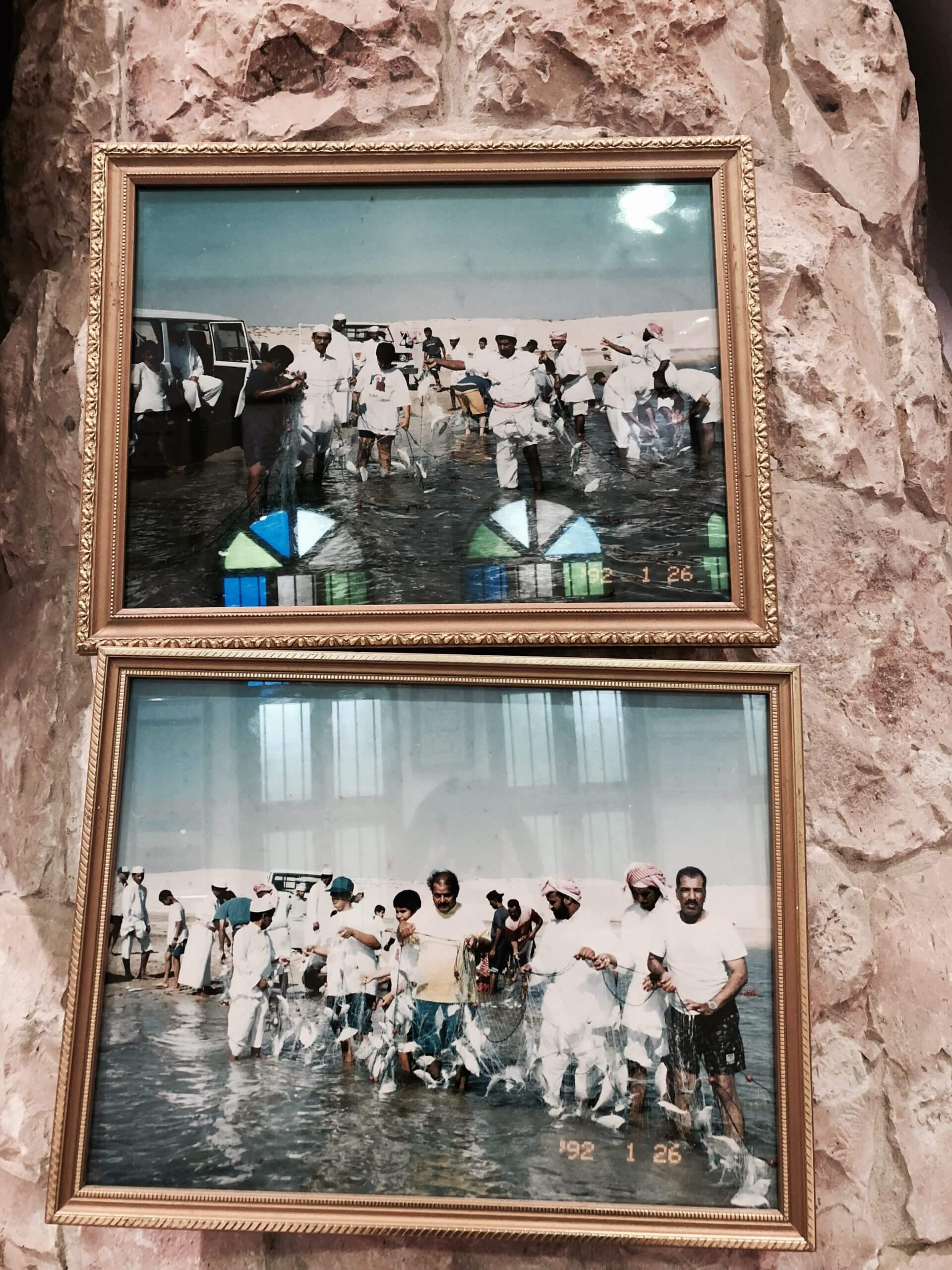
As a museum presenting Sheikh Faisal’s (b. 1948) personal collection, the history of the institution is intrinsically linked to that with its founder. The Sheikh has been collecting since the 1960s and initially kept his collection in his majlis where he would show and explain it to friends, colleagues and acquaintances. Eventually, the collection grew so big that a separate building was required to house the artefacts. In 1998, the FBQ Museum opened in a purpose-built single-storey building about 20 km from Doha, located on Sheikh Faisal’s farm. At the same time, in the late 1990s, Qatar was in the process of developing its cultural heritage practices at the beginning of the reign of the Father Emir, H.H. Sheikh Hamad bin Khalifa Al Thani (r. 1995-2013). Contrastingly to the state-developed projects, such as the Museum of Islamic Art, the FBQ Museum is private and a separate entity from Qatar Museums. It only recently has begun to employ foreign museum specialists, making the institution an example of ‘vernacular’, ‘indigenous’ or, in the words of Christine Kreps, ‘appropriate’ museological practices.
Collection and Organisation: Personal v. Random
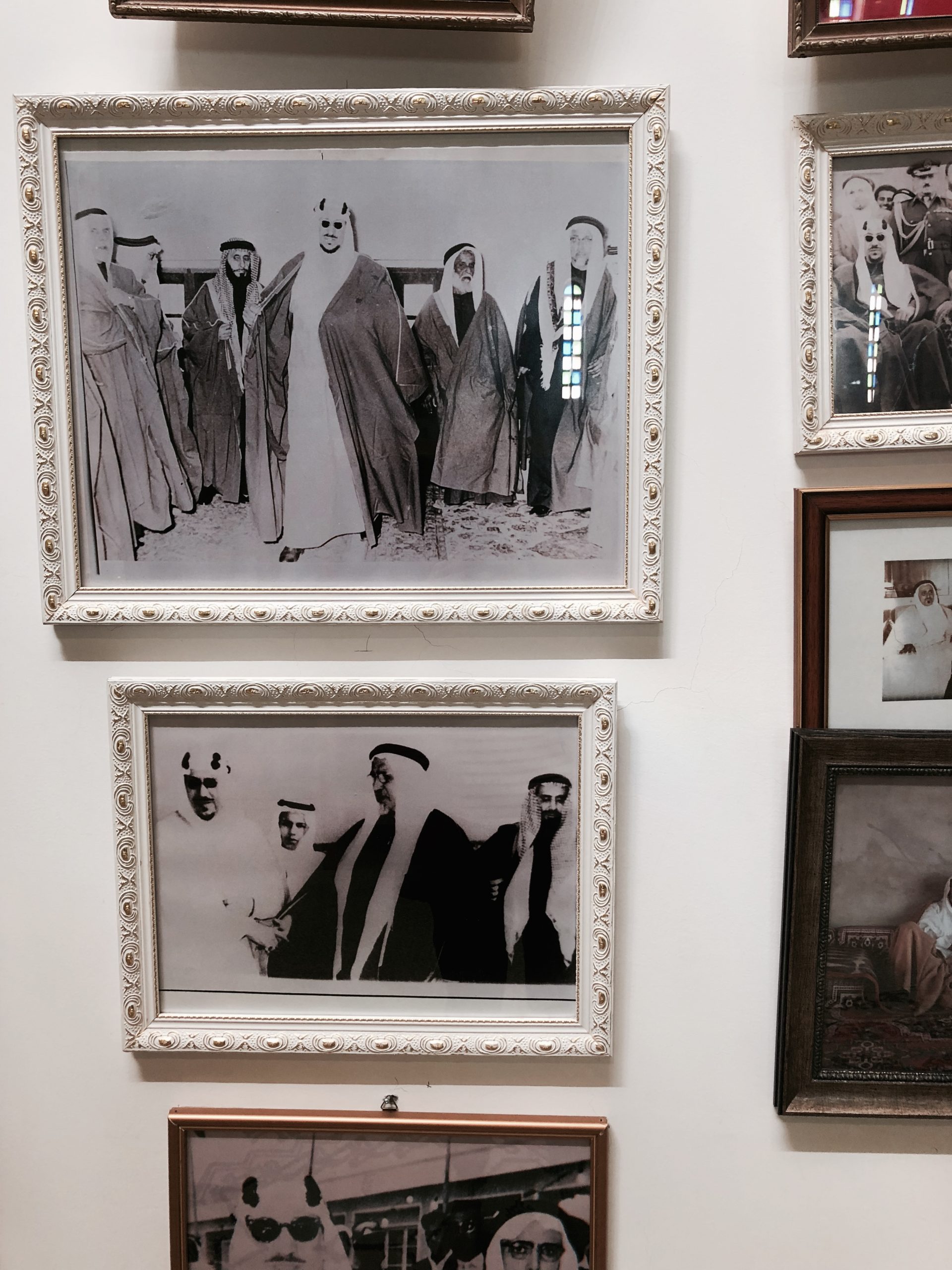
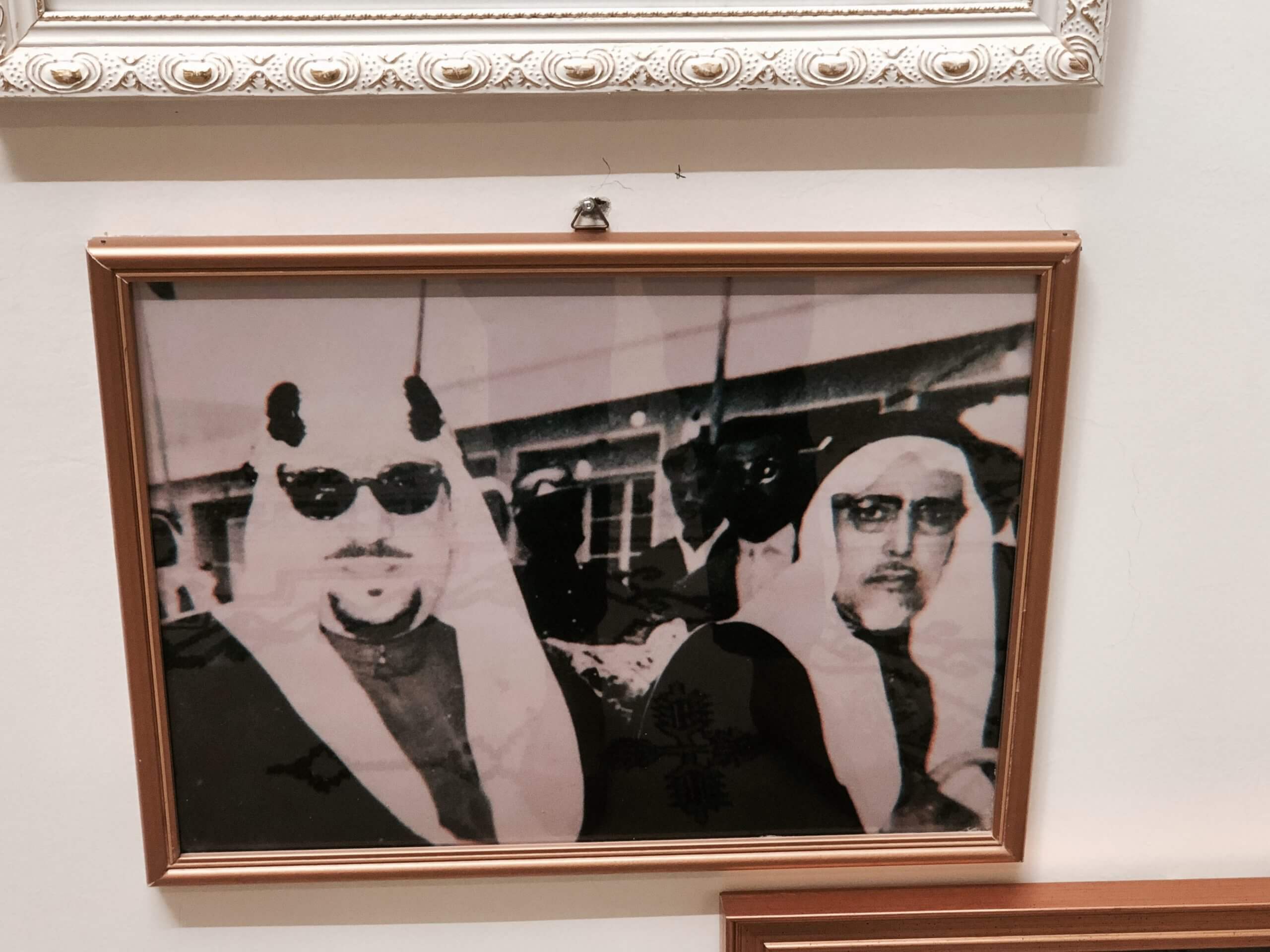
The FBQ Museum includes over 15,000 objects including vintage and modern cars, toys, archaeological material, costumes, numismatics, weapons, fine and decorative art, manuscripts, Sheikh Faisal’s personal possessions, photographs, ethnographic objects and religious paraphernalia. At first glance, it seems that the multitude of artefacts are organised taxonomically. However, a more careful look reveals that the displayed objects appear in unrelated categories: toy cars alongside archaeological artefacts, traditional Qatari clothing next to medieval doors, and beach chairs beside vintage cars. The eclectic displays and clusters of objects are greeted with hundreds of family photographs scattered throughout the entire museum, sometimes covering an entire wall reminiscent of nineteenth-century European art galleries. The photographs of Sheikh Faisal during the course of his life, importantly, remind us of the deeply personal nature of this museum and the collector behind the institution.
The museum has been criticised for its ‘randomness’, which arguably stems from visitors’ observations of the institution’s ‘inability’ to follow (Western) taxonomic ordering. An assumption so deeply rooted in our understanding of how museums should present the world – orderly, neatly, perhaps also chronologically and strictly focusing on the objects’ value and knowledge for and in the Western systems of knowledge and disciplines (think, for instance archaeology or Islamic art) speaks more of the Western museological hegemony and dominance than presents sound critique. Indeed, why would a Qatari collector adhere to cultural rules of conduct outside of his own world, as Karen Exell (2014) brilliantly asks.
Reflections: Value beyond Western Systems of Knowledge
The spectators who are used to Western models of museums may find such personal collections and museums slightly confusing – after all, in the dominant museological understanding, ‘liking’ an object, be it for aesthetic or personal reasons, does not have the same value as collecting for the sake of presenting ‘scientific’ or ‘disciplinary’ value and meaning. To the latter, the FBQ Museum exhibits a striking difference as the objects’ value derives from their relationship to the collector, Sheikh Faisal. At the same time, many artefacts in the collection do have ‘value’ in Western disciplinary systems of knowledge, for instance in and for archaeology and art history, but this is secondary. We may find Sheikh Faisal’s collection random and even chaotic if we examine it through the lens of Western classificatory systems, expecting to experience a quest for some kind of entity or underlying conclusion. After all, in the dominant Western understanding of museography, objects tend to represent larger entities and are usually stripped of their personal meaning and value. To fully enjoy the FBQ Museum and Sheikh Faisal’s collection, it is crucial to view the objects and artefacts in relation to the collector’s narrative and the broader cultural and historical context in which the collection nests – the story of Sheikh Faisal and his life, but also a history of rapid changes in Qatar brought by the discovery of oil and pains of modernisation.
As the collection is intimately linked with the collector, in order to comprehend the meaning and value of the collection, we must consider the collector. After all, the very act of collecting stems from the collector’s social, emotional, economic and interpersonal life, and one could not exist without the other.
You might also enjoy: